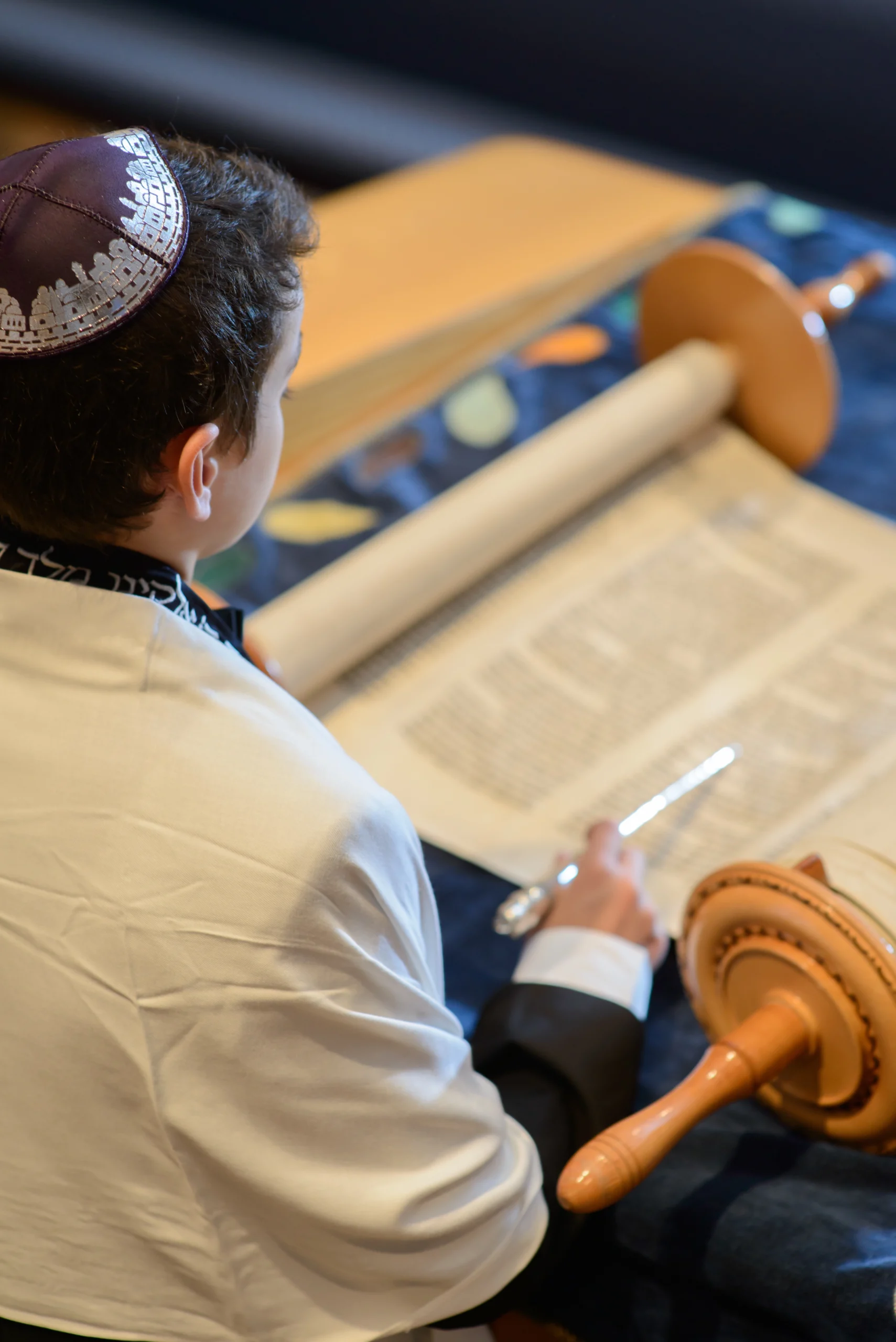
A Bar or Bat Mitzvah rarely unfolds as one continuous event. There’s often a morning service at the synagogue, portraits squeezed in beforehand, a family lunch, a long gap in the middle of the day, and then an evening celebration at a completely different venue. For parents coordinating bar mitzvah photography in NJ, that split schedule raises a practical question long before the day arrives: when does photography actually happen, and how does it work around a service where cameras may not be welcome? Working out the timeline in advance — rather than assuming it will sort itself out that morning — is what makes the day feel calm instead of rushed.
Start With the Synagogue’s Photography Policy
Every synagogue sets its own rules, and they vary more than most families expect. Some allow photography throughout the service. Others permit it only from the back of the sanctuary, ask that flash be turned off, or restrict movement once the service begins. Some do not allow photography during the service at all. Because these policies differ from one congregation to the next, the only reliable approach is to ask your synagogue directly what is and isn’t permitted, and to do this before your bar mitzvah photography timeline is finalized. Your photographer can build an excellent plan around whatever the rules are — but the rules themselves come from the synagogue, not from us.
Pre-Service Portraits Are Often the Most Valuable Part of the Morning
Once you know what’s allowed, the time before guests arrive becomes one of the most useful windows of the day. A pre-service portrait session typically covers the Bar or Bat Mitzvah child alone, the child with parents, siblings, grandparents, and the immediate family as a group. Where the synagogue permits it, this is also the time for portraits with the Torah or in meaningful spots around the building, such as near the bimah. Photographing these moments before the sanctuary fills with guests means calmer expressions, better light, and no one competing for space in the frame — a much easier experience than trying to gather the same people later in a crowded room.
How Much Time Should Families Allow?
As a general planning guideline rather than a fixed rule: a small immediate-family session usually takes about 30 minutes, while sessions that include grandparents and additional family combinations often run 45 to 60 minutes. If portraits are happening in more than one location — say, a family room and then the sanctuary — build in extra time for moving between them. The biggest factor that affects this window isn’t the photographer, it’s whether everyone who needs to be in the formal portraits has actually arrived. Asking grandparents and extended family to come a little early solves most timeline problems before they start.
What If Photography Isn’t Allowed During the Service?
This is common enough that it shouldn’t feel like a compromise to your coverage. Many families in North Jersey and Bergen County plan their entire photography timeline around a synagogue that restricts cameras during the service itself, and the results are still full, meaningful galleries. The key is documenting the elements that matter most before the service begins, wherever synagogue rules allow it: portraits with the Torah, a moment at the bimah, details of the tallit, family portraits in the sanctuary while it’s still quiet, and portraits outside the building. Candid moments as relatives arrive and greet each other also add real warmth to the story of the day. The service itself is one part of the morning — it isn’t the only part that tells the story, and every image should respect the synagogue’s specific rules rather than push against them.
Two Different Photography Environments: Morning Service and Evening Party
It helps to think of a Bar or Bat Mitzvah as two distinct photography assignments separated by several hours. The morning is quieter and more formal — portraits, family relationships, religious details, and candid moments that unfold gently. The evening celebration is a different job entirely: the entrance, the room’s décor, friends, dancing, DJ activities, speeches, candle lighting where it’s part of the celebration, parent-child interactions, grandparents, and candid shots of guests enjoying the party. A photographer needs to shift between portrait work, documentary-style event coverage, and low-light shooting — often within the same evening. Recognizing this split when you build the timeline helps set realistic expectations for both halves of the day.
Family Photos and Details Before the Party Starts
At the evening venue, it’s worth photographing a handful of important family combinations and the room’s décor before guests arrive and the space fills up. Once the party starts, pulling grandparents or siblings away for photos means competing with the DJ, the dance floor, and everyone’s attention — it’s far easier on the family to knock these out early. Coordinating photographer arrival time with the venue and DJ, rather than leaving it loose, keeps this part of the evening simple.
A Sample Bar Mitzvah Photography Timeline
Every family’s schedule looks different depending on synagogue, venue, and travel time, but an example helps illustrate how the pieces fit together:
| Time | What’s Happening |
|---|---|
| 9:00 AM | Photographer arrives at synagogue |
| 9:10–9:25 AM | Bar/Bat Mitzvah portraits |
| 9:25–9:50 AM | Immediate family photographs |
| 9:50–10:05 AM | Grandparents and extended-family combinations |
| 10:15 AM | Guests begin arriving / service preparations |
| Morning service | Photography according to synagogue policy |
| Afternoon | Break |
| 5:15 PM | Photographer arrives at evening venue |
| 5:15–5:40 PM | Family portraits and room/details |
| 6:00 PM | Guests arrive |
| 6:00–10:00 PM | Celebration coverage |
Treat this as an example, not a template to copy exactly. Travel time between the synagogue and venue, the size of the family, and the specific way your synagogue handles photography will all shift these numbers.
Photography and a Photo Booth at the Evening Celebration
Many families pair full event coverage with a photo booth for the evening party. The two do different jobs: the photographer documents the celebration as it happens, while the booth gives guests something to do and sends them home with a keepsake from the night. At Pastel Image Photography, our DSLR-based photo booth includes a custom-designed event print, unlimited 2×6 prints, props when appropriate for the party, and digital copies of every booth photo. Coordinating both through one provider tends to simplify planning, since setup, timing, and staffing are handled as part of one conversation instead of two.
Questions to Discuss With Your Photographer
- Does our synagogue allow photography during services?
- When can the photographer enter the sanctuary?
- Can we photograph with the Torah, and where?
- Which relatives need to be included in formal portraits?
- How much travel time is needed between the synagogue and the evening venue?
- When can the photographer access the evening venue, and when will décor be fully set up?
- Are there candle-lighting, speeches, entrances, or other scheduled moments the photographer should know about in advance?
Final Planning Advice
The best Bar or Bat Mitzvah timelines aren’t the tightest ones — they’re the ones with enough structure to capture what matters, plus a little breathing room for the day to run a few minutes long, because it usually does. Confirm the synagogue’s policy first, build the morning around it, treat the evening as its own event, and loop in your photographer early enough to plan travel and arrival times together. Families across Bergen County and North Jersey work with a wide range of synagogue rules and venue layouts, and a clear timeline is what lets the photography fit the day rather than the other way around.
Frequently Asked Questions
Can we take photos during the actual Bar Mitzvah service?
It depends entirely on the synagogue. Some allow limited photography, others restrict flash or movement, and some don’t permit cameras during the service at all. Always confirm directly with your synagogue.
How early should family arrive for pre-service portraits?
Plan for grandparents and extended family to arrive with enough buffer to allow 30–60 minutes of portrait time before guests start filling the sanctuary, depending on how many family combinations you need.
What happens if our synagogue doesn’t allow any photography during the service?
Coverage isn’t compromised — it shifts earlier. Portraits with the Torah, at the bimah, in the sanctuary, and outside the building can all happen beforehand, wherever synagogue rules allow, along with candid moments as guests arrive.
Do we need a photo booth in addition to a photographer?
It’s optional, not required. A photographer documents the day as it happens; a photo booth gives guests an activity and a printed keepsake during the party. Some families choose both, coordinated through one provider for simplicity.